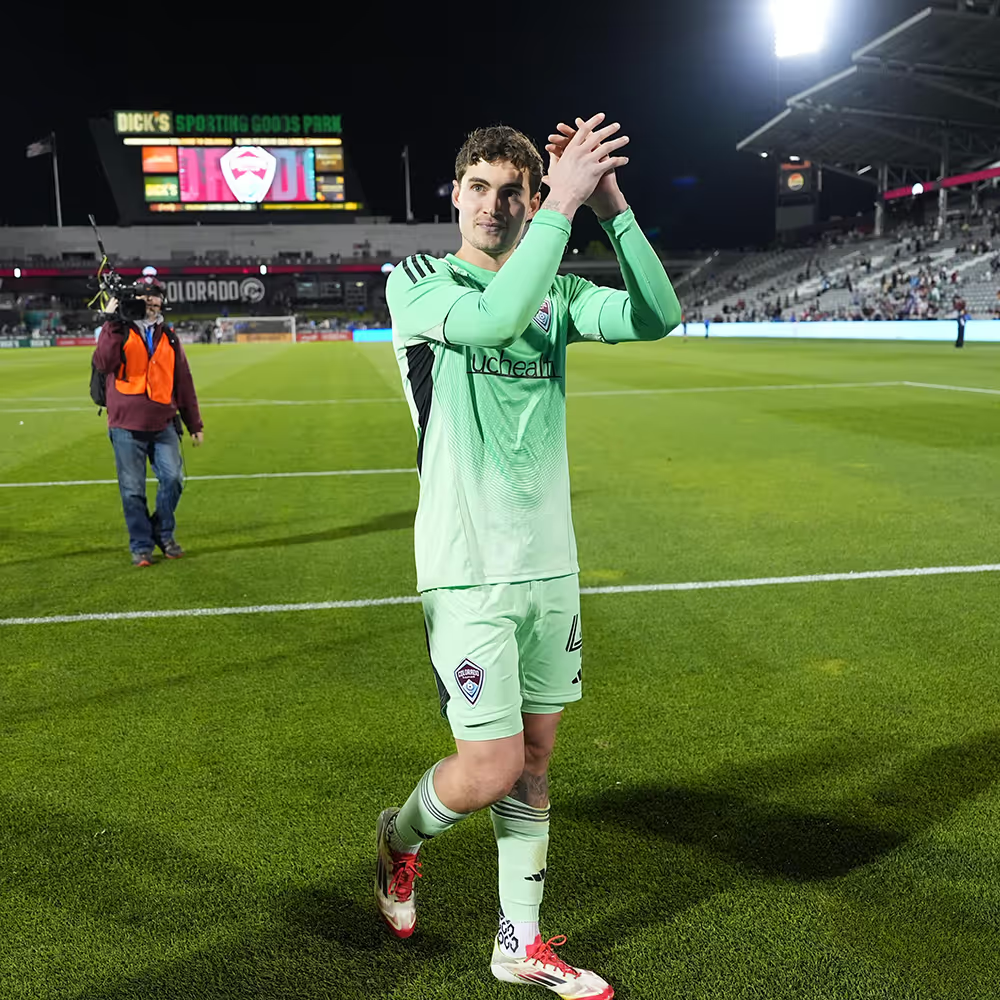
Nico is a professional footballer who plays for Colorado Rapids in the MLS. He has a strong passion for nutrition and how it's helped him get to where he is today.
What should a young athlete eat before a game
Learn exactly what young athletes should eat before a game to boost energy, stay focused, and perform at their best on the field.
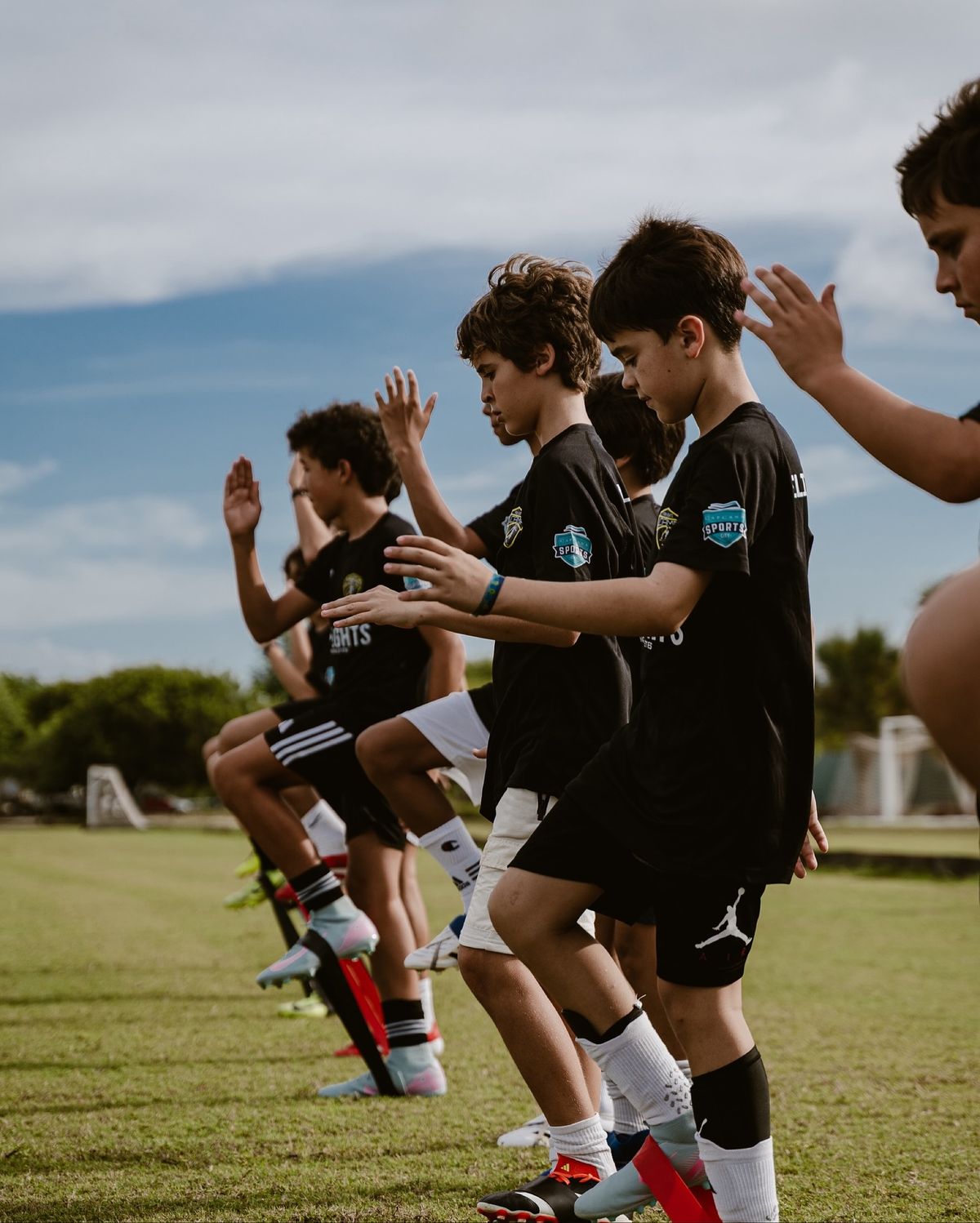
The meal before a game can make or break a young athlete's performance. Eat the wrong thing and they'll feel sluggish, bloated, or out of energy by halftime. Eat the right thing and they'll have steady fuel from the first whistle to the last.
As a professional soccer player, I've learned the hard way what happens when you get pre-game nutrition wrong. And having grown up playing at academy level, I know that most young athletes and their parents are guessing when it comes to what and when to eat before competition. This guide will take the guesswork out of it.
Why pre-game nutrition matters for young athletes
Young athletes have different nutritional needs than adults. Their bodies are still growing, their glycogen stores are smaller, and their metabolisms burn through fuel faster. Research published in the British Journal of Sports Medicine shows that inadequate pre-exercise fueling in youth athletes is associated with earlier onset of fatigue and reduced cognitive function during competition.
The goal of a pre-game meal is simple: top off glycogen stores, maintain blood sugar levels, and avoid anything that causes gastrointestinal distress. That means prioritizing carbohydrates, including moderate protein, keeping fat and fiber relatively low, and timing it correctly.
The 3-2-1 timing framework
3 hours before kickoff: the main meal
This is the primary fueling window. Three hours gives the body enough time to digest a full meal and convert those nutrients into usable energy. The plate should be roughly 60% complex carbohydrates, 25% lean protein, and 15% healthy fats.
Good options include grilled chicken with rice or pasta or a rice bowl with grilled protein and roasted sweet potatoes.
Our Chicken Pasta Primavera is a great pre-match meal.
A meal like our chicken skewers with rice is also a great option and delivers 35g of protein and 44g of carbohydrates in a combination that digests well and provides sustained energy.
2 hours before: a lighter option
If a full meal at three hours isn't possible due to scheduling, a lighter meal two hours before game time still works. Focus more heavily on carbohydrates and reduce the protein and fat portions. Think a turkey sandwich on whole wheat, overnight oats with banana, or a wrap with hummus and vegetables.
1 hour before: a small snack
Within the final hour, only easily digestible carbohydrates should be consumed. A banana, a handful of pretzels, a piece of toast with a thin layer of jam, or a small applesauce pouch. Avoid anything with significant fat or fiber at this point.
Foods to avoid before a game
Certain foods are common culprits for pre-game stomach issues in young athletes. High-fat foods like burgers, pizza, and fried items take too long to digest and can cause cramping. High-fiber foods like raw broccoli, beans, or large salads can cause bloating and gas. Sugary drinks and candy cause a rapid blood sugar spike followed by a crash, often hitting right when the game gets intense. Dairy can be problematic for some athletes, especially in larger quantities.
Carbonated drinks should also be avoided. The gas they introduce into the stomach can cause discomfort during high-intensity movement.
Hydration before game time
Pre-game hydration is just as important as the food. The American College of Sports Medicine recommends that young athletes drink 400 to 600 milliliters of water two to three hours before exercise, and another 200 to 300 milliliters 10 to 20 minutes before.
For games lasting longer than 60 minutes or in hot conditions, a sports drink with electrolytes during the game can help maintain performance. For shorter games in moderate conditions, water is sufficient.
What about morning games?
Early morning games present a unique challenge. Most young athletes don't want to wake up at 5 AM to eat a full meal three hours before an 8 AM game. The solution is a carbohydrate-rich dinner the night before, which tops off glycogen stores, followed by a small, easily digestible breakfast one to two hours before game time.
Good early morning options include toast with a thin spread of peanut butter and banana, a small bowl of oatmeal with berries, or a smoothie made with fruit and a scoop of protein powder.
Sample pre-game meal plans
For a 10 AM game
7:00 AM: Scrambled eggs with toast and a glass of orange juice. 9:00 AM: A banana and a few sips of water. 9:30 AM: Begin hydrating with small sips leading up to warmup.
For a 2 PM game
10:30 AM: Grilled chicken with rice and vegetables. 12:30 PM: A piece of fruit or a granola bar. 1:30 PM: Water and light movement to stay loose.
For a 6 PM game
A normal lunch at noon. 3:00 PM: A light snack like a turkey wrap or overnight oats. 5:00 PM: A banana or handful of pretzels. Hydrate consistently throughout the afternoon. You can learn more here.
Download Athleats to browse 200+ performance recipes with full macro breakdowns and build a game-day meal plan your young athlete will actually enjoy.
FAQ's
Eat better. Feel better. Perform better.
Discover healthy recipes, plan meals, create shopping lists, and track macros — all in one app.
