How I fuel long-distance training as a former soccer player
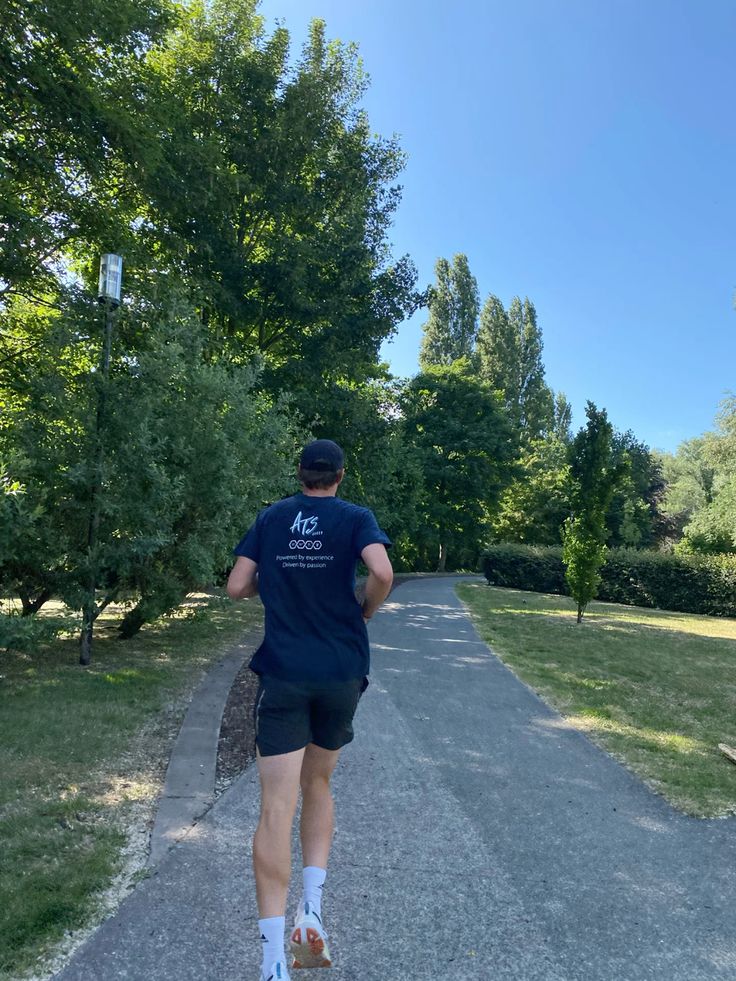
I didn't always eat like an athlete. For most of my soccer career, nutrition was an afterthought. Eat before training, recover after a match, avoid junk the night before a game. That was about as deep as it went.
It wasn't until the tail end of my playing days that I started paying real attention. I began understanding how food actually affected how I felt on the pitch, how I recovered between sessions, and how much I'd been leaving on the table for years. By the time injuries ended my semi-pro career in England, nutrition had become something I genuinely cared about.
Then I found endurance running. Half-marathon first, then full marathon, and now I'm building toward my first Ironman. And what I thought I knew about fueling got tested all over again.
The shift I didn't expect
Soccer gave me a solid foundation. I understood macros, meal timing, and recovery nutrition by the end of my playing career. What I wasn't prepared for was how different the demands of long-distance training actually are.
Soccer is intermittent. You sprint, recover, sprint again. Even at a high level, a 90-minute match includes walking, jogging, and natural recovery windows throughout. Your body burns through glycogen in bursts but gets micro-breaks to reset.
Long-distance running doesn't work like that. A marathon is sustained output for 3 to 5 hours depending on your pace. There's no halftime, no substitution, no natural pause. The intensity is lower but the duration is relentless, and that changes the entire approach to fueling.
Carbohydrates: more than I thought
Even with a solid nutrition base from soccer, I underestimated how much carbohydrate endurance training demands.
Research shows that up to 80 percent of endurance runners don't eat enough carbohydrates to support their increased needs according to USU. When I started running seriously, I was eating well by most standards. But my carbohydrate intake still wasn't keeping up with what my training was asking for.
For any session lasting more than 60 minutes, consuming 1 to 4 grams of carbohydrate per kilogram of body weight in the 1 to 4 hours beforehand is recommended byGatorade Sports Science Institute. I started treating the pre-run meal as a non-negotiable part of training, not optional depending on how hungry I was that morning. Miss it on a long run and you'll feel it by mile 10.
The biggest practical change was building meals around carbohydrates on heavy training days rather than treating them as a side. Rice, oats, sweet potato, pasta, fruit. The foundation, not the afterthought.
Fueling during the run: the biggest adjustment
This was the hardest habit to build, because nothing in my soccer background prepared me for it.
In soccer you take on fluids at halftime, maybe a banana. The match is short enough that stored glycogen largely carries you through. A 3-hour training run is a completely different equation.
For sessions lasting longer than 60 minutes, taking in carbohydrates during exercise at a rate of 30 to 90 grams per hour can meaningfully improve performance according to Gatorade Sports Science Institute.
Early on, eating while running felt unnatural and unnecessary. Now it's just part of the plan. I carry gels for the quick glycogen hit and real food for longer efforts. Bananas and honey are particularly practical mid-run options because they're easy to carry and digest without disrupting your rhythm.
The mindset shift mattered as much as anything. Fueling during a run isn't a crutch. It's just correct nutrition for the distance.
Protein: more than just recovery
Coming from soccer I was already protein-aware. Muscle repair, staying strong through a long season. I had that part reasonably dialed in.
What I learned in endurance training is that protein demands actually go up, not down, even though the sport looks less physical from the outside.
Evidence suggests endurance athletes should aim for around 1.8 grams of protein per kilogram of body weight daily, with requirements potentially climbing above 2.0 grams per kilogram during heavy training blocks according to Springer.
The reason is that long runs place sustained stress on connective tissue, joints, and bones in a way that short explosive efforts don't. You're loading the same structures for hours at a time. Protein supports the repair of all of it, not just the muscles.
My approach now is to anchor every main meal around a quality protein source and make sure recovery nutrition after a long run includes both protein and carbohydrates within 30 to 60 minutes of finishing.
Pre-race week
Carb loading wasn't a foreign concept from my soccer days. A big pasta dinner the night before a match was standard. But endurance sport takes it further than that.
For events exceeding 90 minutes, a glycogen-loading strategy beginning 36 to 48 hours before competition with a daily carbohydrate intake of 10 to 12 grams per kilogram of body weight is recommended by PubMed Central.
For marathon week I reduce training volume, prioritize sleep, and build nearly every meal around easy-to-digest carbohydrates. White rice, pasta, bananas, toast. I cut fiber-heavy foods to avoid any digestive issues on race morning. It feels like a lot of food. That's the point.
What actually changed
The foundation I built toward the end of my soccer career made the transition easier than it might have been otherwise. But endurance running still pushed me to go deeper. More carbohydrates, fueling during sessions, and treating protein as a daily priority rather than just a post-training box to tick.
None of it is complicated. It just requires consistency. And once the nutrition is dialed in, the training reflects it.
The recipes I rely on throughout the training week are all in the Athleats app, built around exactly this approach to performance nutrition.

Luca is an active hybrid-athlete who participates in long-distance events along with a variety of sports. Nutrition has helped him reach excellent physical condition.
Try our app for free. More recipes, more features, and a better you.
