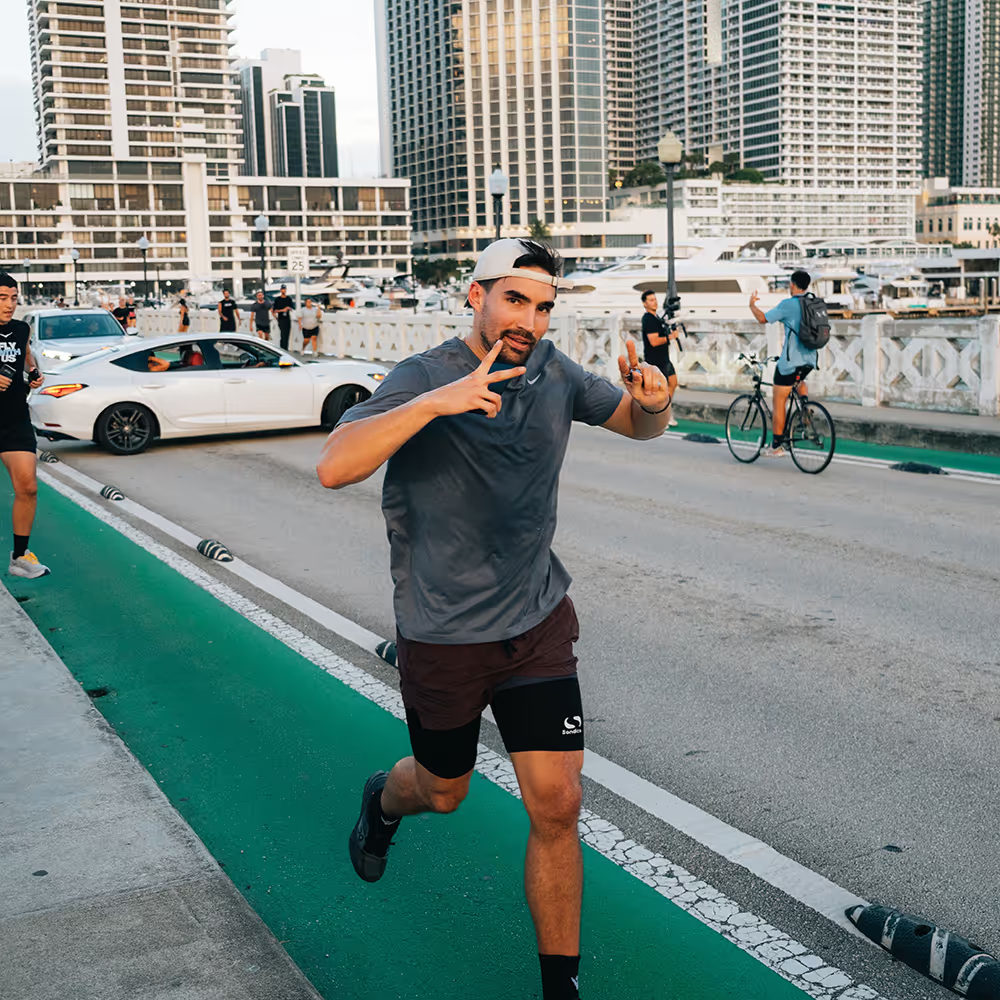
Luca is an active hybrid-athlete who participates in long-distance events along with a variety of sports. Nutrition has helped him reach excellent physical condition.
Marathon nutrition: How to fuel for 26.2 miles
Learn how to fuel before, during, and after a marathon with practical, science-backed strategies for endurance and recovery.
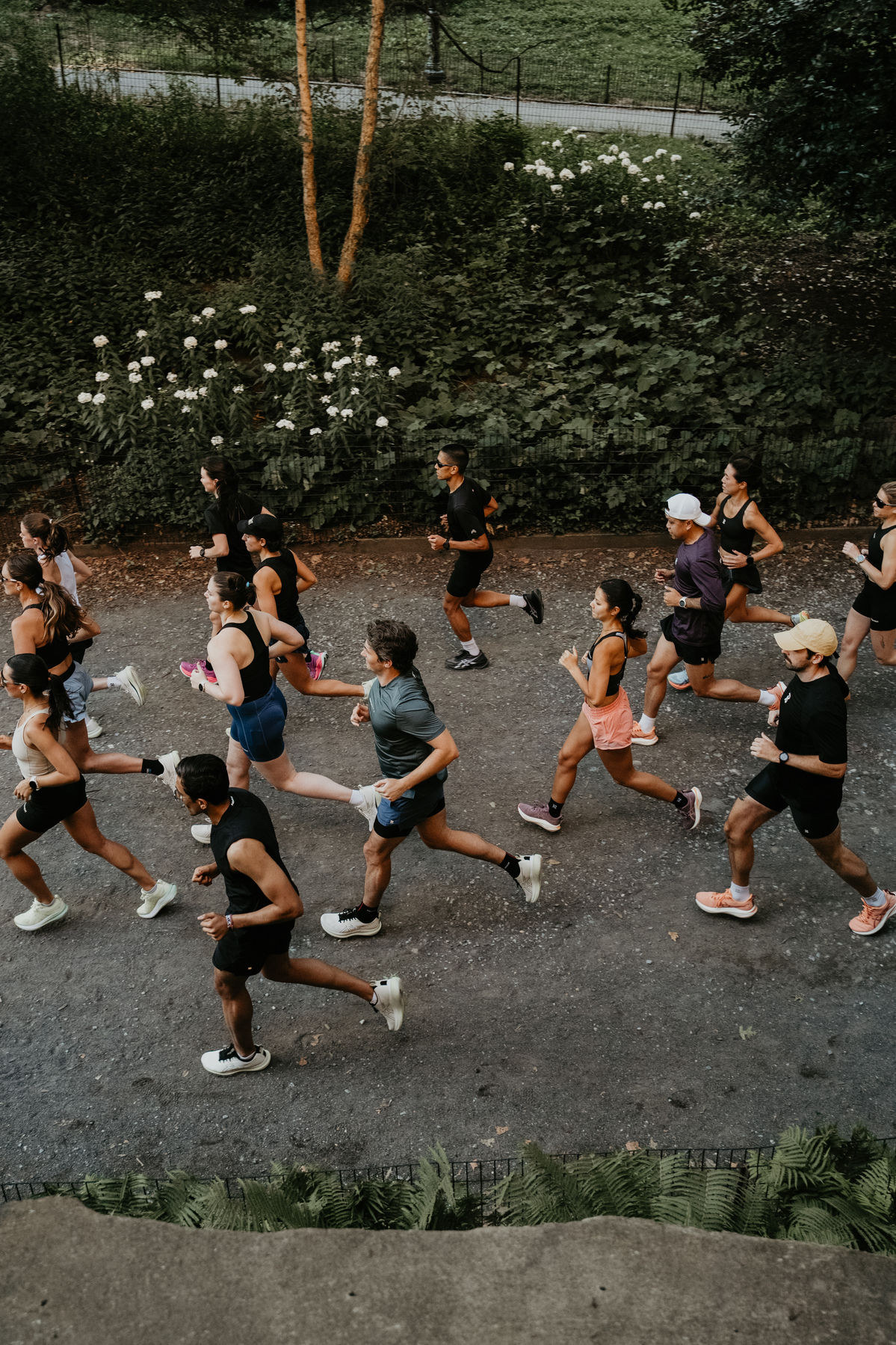
As someone who ended up running a marathon, don't make the same mistake I did. Nutrition is a lot more important than you think, and I severly underestimated it's importance. Training for a marathon is as much about nutrition as it is about logging miles. Your body can only perform as well as it’s fueled and the difference between finishing strong and hitting “the wall” comes down to how well you prepare your energy stores.
This guide breaks down the science and strategy behind marathon fueling, from daily meals to race-day execution so you can go the distance confidently.
1. Why fueling matters for endurance athletes
Endurance exercise depends heavily on glycogen, the body’s stored form of carbohydrate. When those stores run low, fatigue, cramping, and mental fog set in.
Proper fueling can:
- Improve performance by 2–3% on average【Burke et al., 2011】
- Delay “hitting the wall” during long races【ACSM, 2016】
- Speed recovery and muscle repair post-race【ISSN, 2018】
2. Daily nutrition during training
- Carbohydrates: 5–7 g per kg bodyweight on easy days; up to 10 g on long-run weeks.
- Protein: 1.4–1.8 g per kg bodyweight daily for recovery.
- Fats: 20–30% of total calories, emphasizing unsaturated sources (avocado, nuts, olive oil).
- Hydration: 2–3 L water per day minimum, plus electrolytes after sweaty sessions.
Focus on consistency. Skipping meals or under-fueling day-to-day leads to chronic fatigue and slower adaptation. I strongly recommend testing out your endurance gels, also known as energy gels, in training before race day. My favorites are the Go Gel's from BPN. They have a great range of products to help you prepare like electrolytes, quick carbs, and more. I'm not sponsored, I just love their products
3. Carb-loading before race day
When: 36–48 hours before the marathon.
Goal: Maximize muscle glycogen to sustain pace longer.
- Increase carbohydrate intake to ~70% of total calories.
- Choose familiar, low-fiber options: rice, pasta, potatoes, fruit, bagels.
- Keep meals moderate in fat and protein to prevent stomach discomfort.
Example day: oatmeal breakfast, rice bowl lunch, pasta dinner, fruit snacks in between.
4. Breakfast on race morning
Timing: 3 hours before start
Macros: 1–4 g carbohydrates per kg bodyweight + a small amount of protein.
Examples:
- Oatmeal with banana and honey
- Toast with peanut butter and fruit
- Low-fat yogurt with granola
Avoid high fiber, high fat, or spicy foods — your stomach will thank you by mile 10.
Quick tip: Test this meal out in training before race day.
5. Fueling during the marathon
Your body can only store enough glycogen for about 90 minutes of intense running, so mid-race fueling is non-negotiable.
- Carbohydrates: 30–60 g per hour (e.g., gels, chews, or sports drinks).
- Fluids: 400–800 mL (13–27 oz) water or electrolyte drink per hour.
- Sodium: 300–600 mg per hour in heat or heavy sweat conditions.
Practice this during training to identify which products your stomach tolerates best.
6. Post-race recovery
The race isn’t over when you cross the finish line — recovery starts immediately.
Within 30–60 minutes:
- Refuel: 1.0–1.2 g carbs / kg bodyweight.
- Repair: 20–40 g protein for muscle synthesis.
- Rehydrate: Replace 16–24 oz fluid per pound lost.
Smart recovery meals:
- Burrito bowl with rice, beans, and chicken
- Smoothie with milk, fruit, and protein powder
- Whole-grain pasta with lean meat and veggies
I know it's difficult, but try and stretch or cool down after the run. Your body will thank you the next day.
7. Common fueling mistakes
❌ Trying new foods or gels on race day
❌ Skipping breakfast due to nerves
❌ Over-hydrating with plain water (can dilute electrolytes)
✅ Practice your fueling plan during long runs — treat them like dress rehearsals.
FAQ's
Eat better. Feel better. Perform better.
Discover healthy recipes, plan meals, create shopping lists, and track macros — all in one app.
